Enjoy discounts on healthy lifestyle products!

Community Wellness Through Ubuntu: Growing Together for Collective Healing
In a nation grappling with inequality, unemployment, and mental health crises, South Africans are returning to a timeless philosophy: Ubuntu (“I am because we are”). From Soweto’s urban farms to Cape Flats’ trauma circles, discover how collective action is healing fragmented communities.
Bangile Mahlombe
2/18/20252 min read
Why Ubuntu Matters in Modern South Africa
Ubuntu isn’t just a proverb—it’s a survival strategy. With 55% of South Africans living below the poverty line (World Bank, 2023) and 1 in 3 experiencing mental health issues, individualistic solutions fall short. Ubuntu-centered wellness offers:
Shared Resources: Combat food insecurity and economic hardship through collaboration.
Cultural Relevance: Aligns with indigenous values of kinship and interdependence.
Mental Health Benefits: Reduces isolation by rebuilding trust in divided communities.
Did You Know?
A 2022 study by UCT found that community garden participants reported 30% lower anxiety levels than non-participants, highlighting Ubuntu’s psychological power.
Community Gardens: Feeding Bodies and Souls
How Gardens Embody Ubuntu
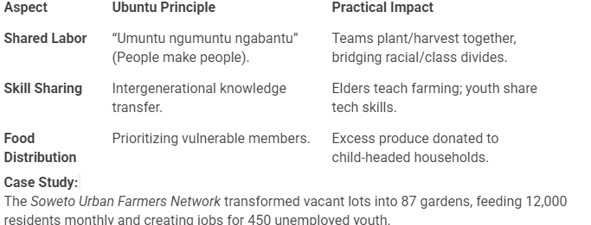
Community gardens are more than food sources—they’re spaces where dignity and connection grow.
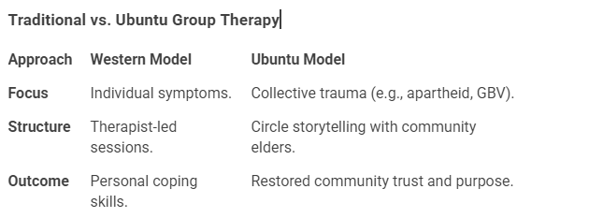
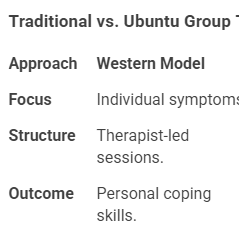
Ubuntu-Informed Group Therapy: Healing in Circles
Example:
The Khululeka Community Care project in Khayelitsha hosts “Firelight Circles,” blending CBT techniques with ancestral storytelling to treat gang violence-related PTSD.
Practical Steps to Start a Ubuntu Therapy Circle:
Gather a Facilitator: Partner with a counselor or trusted elder.
Choose a Safe Space: Community halls, churches, or under a tree.
Set Ubuntu Ground Rules: Confidentiality, non-judgment, shared responsibility.
Incorporate Rituals: Begin/end with song, prayer, or shared meal.
Local Support Networks: The Invisible Safety Net
South Africa’s informal support systems often outpace formal institutions. Key examples:
Stokvels
Savings clubs funding funerals, education, or small businesses.
Ubuntu Twist: Some stokvels now pool mental health resources (e.g., group therapy funds).
Neighborhood Watches
Crime prevention groups providing safety and emotional support.
Example: Diepsloot’s “Amadoda” men’s group combats GBV through patrols and counseling.
Church Groups
Beyond spirituality, offering grief support and substance abuse programs.
Pro Tip: Use WhatsApp groups to coordinate meal trains for sick members or share job leads—a digital Ubuntu approach.
4 Steps to Launch Your Ubuntu Wellness Project
Assess Community Needs
Host a town hall or survey. Common issues: hunger, unemployment, trauma.
Start Small
Garden: Convert a vacant plot with 5–10 volunteers.
Therapy Circle: Begin monthly meetings with a focus (e.g., parental loss).
Partner Wisely
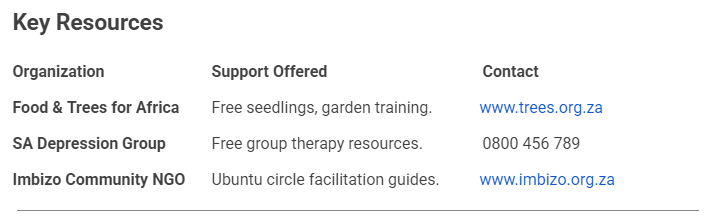
Link with NGOs (e.g., Food & Trees for Africa), clinics, or local businesses for seeds/tools.
Sustain Through Ubuntu Values
Rotate leadership roles. Celebrate milestones with communal meals.
FAQs
Q: How much land do I need for a community garden?
A: Start small! Even 10m² (2 parking spaces) can grow 50kg of veggies annually.
Q: Can Ubuntu practices replace clinical therapy?
A: No—they complement it. Always refer severe cases to professionals.
Q: How do I handle conflicts in groups?
A: Use Ubuntu mediation: Involve elders and focus on restoring harmony, not blame.